Veteran Owned and Operated
Clear Dense Growth Without Damaging the Soil
Brush Hogging in Beggs for properties with overgrown pastures, tall grass exceeding several feet, and woody saplings up to three inches in diameter
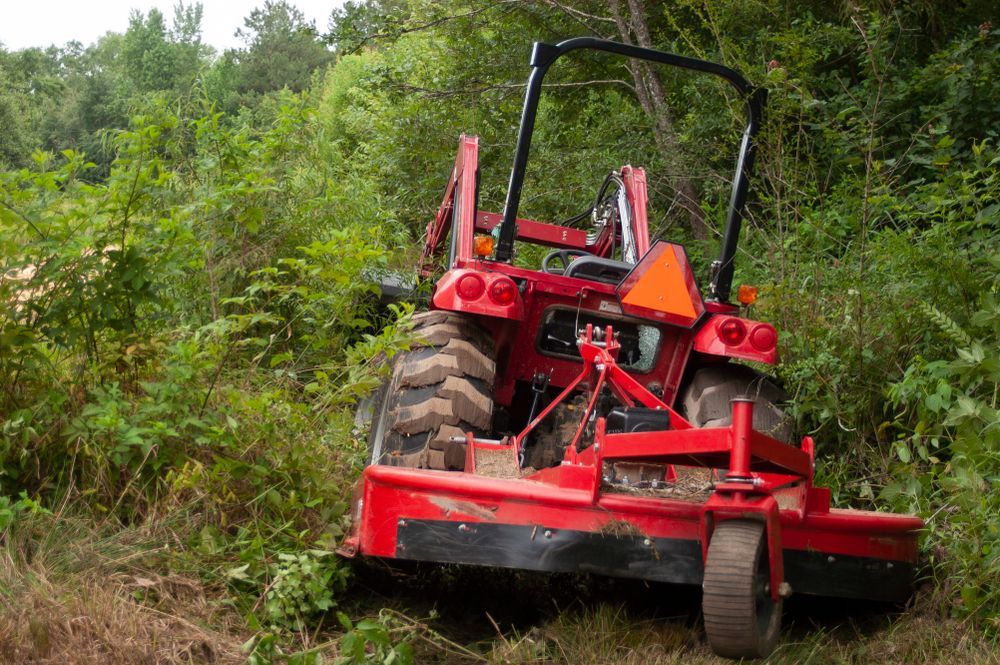
Geneva Backwoods Clearing LLC handles brush hogging across Beggs using tractor-mounted equipment designed to cut through vegetation that standard mowers cannot touch. This service addresses fields left untended for multiple seasons, pastures overtaken by thick stalks, and trails obscured by chest-high growth. The method relies on heavy, dull blades spinning at high speed to bash through dense material rather than slicing it cleanly, which means the equipment can process saplings and woody brush without jamming or breaking down.
The process involves pulling a rotary cutter behind a tractor, powered by a Power Take-Off shaft that transfers engine force directly to the mower deck. This setup generates enough centrifugal energy to shred vegetation that would bend or damage conventional blades. Properties in areas with humid growing seasons often see rapid regrowth of invasive species and volunteer saplings, making rotary cutting necessary when reclaiming land for grazing, fire breaks, or property boundary maintenance.
Schedule a site assessment to evaluate vegetation density and determine the best approach for clearing your acreage.
What Happens to the Land After Rotary Cutting
The equipment leaves behind shredded organic debris rather than cleanly cut grass clippings. Because the blades operate through impact force instead of precision cutting, the finish appears rough immediately after completion, with chopped stalks and mulched plant material scattered across the ground. Over the following weeks, this debris decomposes and reintegrates into the topsoil, returning nitrogen and organic matter that supports healthier pasture growth in subsequent seasons.
You will notice cleared sightlines across previously impassable sections, exposed fencing that was hidden by tall growth, and access to areas that were difficult to walk through or monitor. The soil itself remains intact because the mower deck rides above ground level, unlike grading equipment that scrapes away topsoil. This preservation of the soil structure prevents erosion and maintains the seedbank, allowing desirable grasses to recover once the invasive growth is removed.
The service works best when vegetation is dry, as wet conditions can cause the mower to bog down in thick patches or create clumping instead of even distribution. Timing the work during drier months also reduces soil compaction from tractor tires, which is particularly important on clay-heavy soils common in this region. Properties with slopes or uneven terrain may require multiple passes or adjustments to mower height to avoid scalping high spots or leaving growth in low areas.
Questions Before Starting Your Project
Property owners in Beggs often ask about the difference between rotary cutting and other clearing methods, particularly when evaluating cost and results for pasture maintenance or land reclamation.
What size vegetation can brush hogging handle before requiring different equipment?
The mower effectively processes saplings and woody growth up to approximately three inches in diameter, depending on wood density and moisture content. Material thicker than that range typically requires forestry mulching or manual removal to avoid damaging the blades or stalling the tractor.
How does the rough finish left by rotary cutting compare to a mowed lawn?
The result is fundamentally different from turf maintenance because the goal is land clearing rather than aesthetic grooming. You will see chopped stalks and uneven ground cover instead of a uniform height, which is appropriate for pastures, trails, and utility easements but not for residential lawns or ornamental areas.
When is the best time to schedule brush hogging in Beggs?
Late summer and early fall offer drier conditions that reduce soil compaction and allow the mower to operate more efficiently through dense growth. Clearing during this window also limits regrowth before winter dormancy, giving you a longer period before the next maintenance cycle.
Why does brush hogging leave debris on the ground instead of removing it?
The shredded material decomposes naturally and adds organic matter back into the soil, improving fertility and moisture retention. Removing this debris would require additional labor and equipment while eliminating the nutrient cycling benefit that supports healthier pasture growth.
What preparation is needed before rotary cutting begins?
Walk the property to identify and mark any hidden obstacles such as large rocks, fence posts, or irrigation lines that could damage the mower or create safety hazards. Clearing these areas or flagging them allows the operator to work around them without interrupting the job or risking equipment failure.
Geneva Backwoods Clearing LLC provides rotary cutting services for properties throughout Beggs where conventional mowing equipment cannot manage the vegetation density or height. Contact the team to arrange an evaluation of your acreage and receive a detailed estimate based on terrain and growth conditions.