Veteran Owned and Operated
Build a Driveway That Handles the Weather
Gravel Driveway Installation & Repair in Okmulgee for properties where washouts, ruts, and pooling water make access unreliable
Geneva Backwoods Clearing LLC installs and repairs gravel driveways across Okmulgee for homeowners and landowners dealing with dirt lanes that turn to mud after rain or develop ruts deep enough to scrape undercarriages. You need a stable base that drains properly, gravel sized and compacted to support daily traffic, and grading that prevents water from pooling at the garage or washing out at the culvert. This work solves access problems on rural properties where asphalt isn't practical and where clay soil holds water long after storms pass.
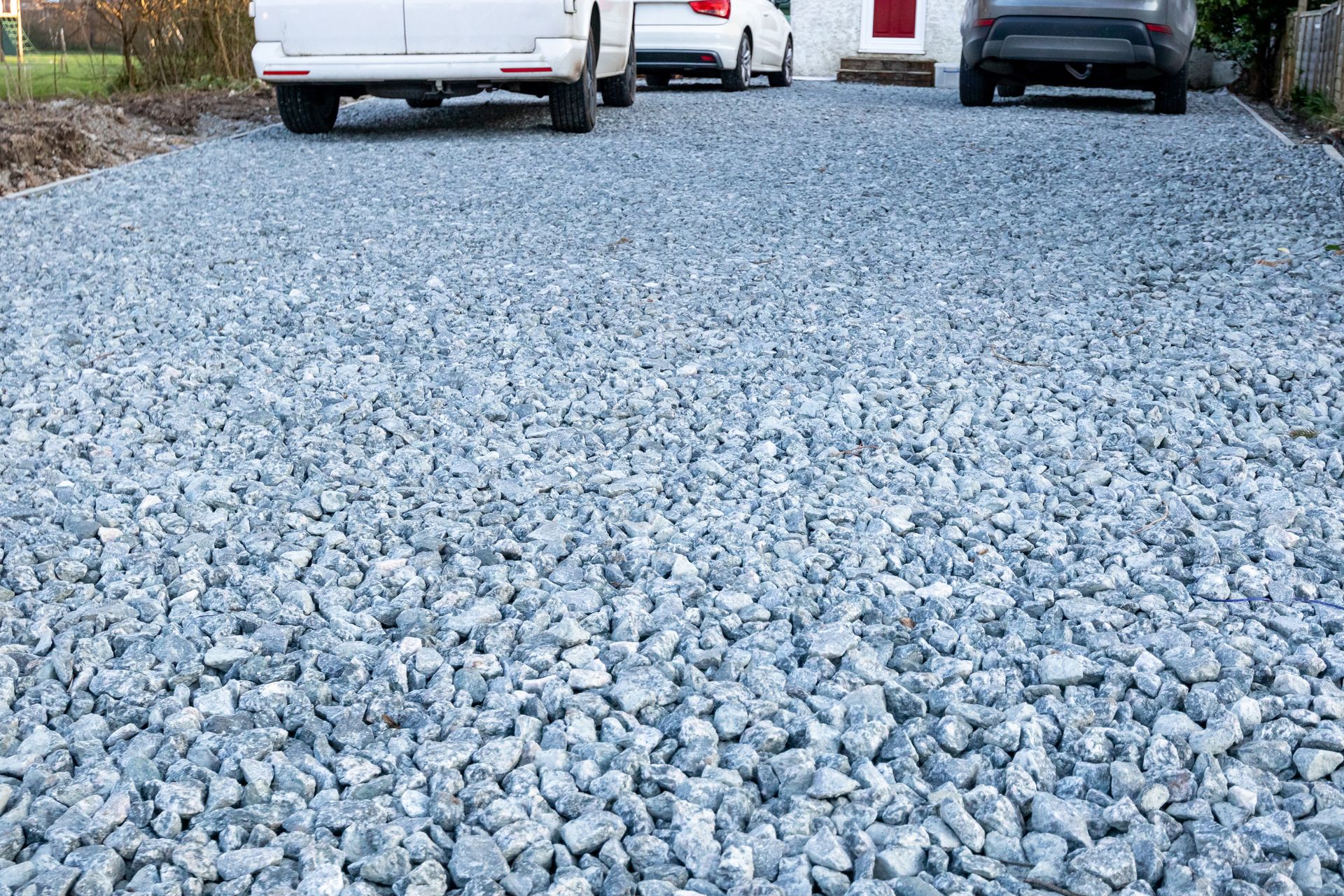
The installation process begins with grading the existing surface to establish proper slope, typically a two percent grade to move water off the driveway without creating erosion channels. A base layer of crushed rock or recycled concrete is spread and compacted with a roller to create a stable foundation that won't shift under load. The finish layer uses angular gravel, often three-quarter inch minus, which locks together under compaction and resists displacement better than rounded river rock. Edges are defined to prevent gravel from migrating into the yard, and drainage is checked to ensure water flows toward ditches or culverts rather than pooling on the surface.
If your driveway in Okmulgee needs resurfacing, regrading, or drainage correction, call to schedule an evaluation and discuss material options.
What Makes a Gravel Driveway Last
You'll see a box blade or grader pull multiple passes to smooth the surface and establish crown—a slight rise in the center that sheds water toward the edges. Base material is spread in lifts and compacted in stages to prevent settling. The final gravel layer is applied at a depth of three to four inches after compaction, thick enough to prevent tire contact with the base layer but not so deep that gravel shifts underfoot or under tires. Edges are often lined with landscape fabric or a compacted shoulder to contain the stone and reduce maintenance.
When Geneva Backwoods Clearing LLC finishes a driveway installation, you'll notice a firm surface that doesn't rut under normal vehicle traffic, water that moves off the driveway without cutting channels, and gravel that stays in place rather than scattering into the grass. Repairs address sunken areas, rebuild washed-out sections, and add fresh gravel where the base has worn through. If drainage was part of the scope, you'll see water directed into existing ditches or newly cut swales designed to carry runoff away from structures.
Installation does not include culvert placement, ditch excavation, or utility line relocation—those are handled as separate line items if needed. Driveway length, width, and material choices affect cost, and Oklahoma clay requires thicker base layers than sandy soils to prevent rutting. Maintenance depends on traffic volume and weather exposure, but most residential driveways need regrading and a fresh gravel layer every three to five years.
Questions Property Owners Ask About Gravel Driveways
Here's what homeowners in Okmulgee typically want to know before installing or repairing a gravel driveway.
What type of gravel works best for driveways?
Angular crushed stone, usually three-quarter inch minus, compacts tightly and resists displacement better than smooth pea gravel or river rock, which rolls under tires.
How deep should the gravel and base layers be?
A four- to six-inch compacted base layer topped with three to four inches of finish gravel provides stability for most residential driveways on clay soils like those in Okmulgee.
Why do driveways wash out during heavy rain?
Poor grading, inadequate crown, or missing drainage features allow water to pool or flow lengthwise down the driveway, eroding the base and displacing gravel into ditches or yards.
When should a driveway be resurfaced?
When ruts exceed two inches, when the base layer is visible through the gravel, or when water stops draining properly and pools after moderate rain.
What drainage solutions prevent washouts?
Crown grading, perimeter ditches, turnouts that direct water off the driveway, and properly sized culverts all work together to move stormwater without eroding the driveway surface.
Geneva Backwoods Clearing LLC handles new driveway installations, resurfacing, and drainage upgrades for residential and rural properties. Reach out to discuss layout, material sourcing, and scheduling based on your property's access needs.